
Common Venetian Plaster Application Mistakes in Redding: A Homeowner's Guide
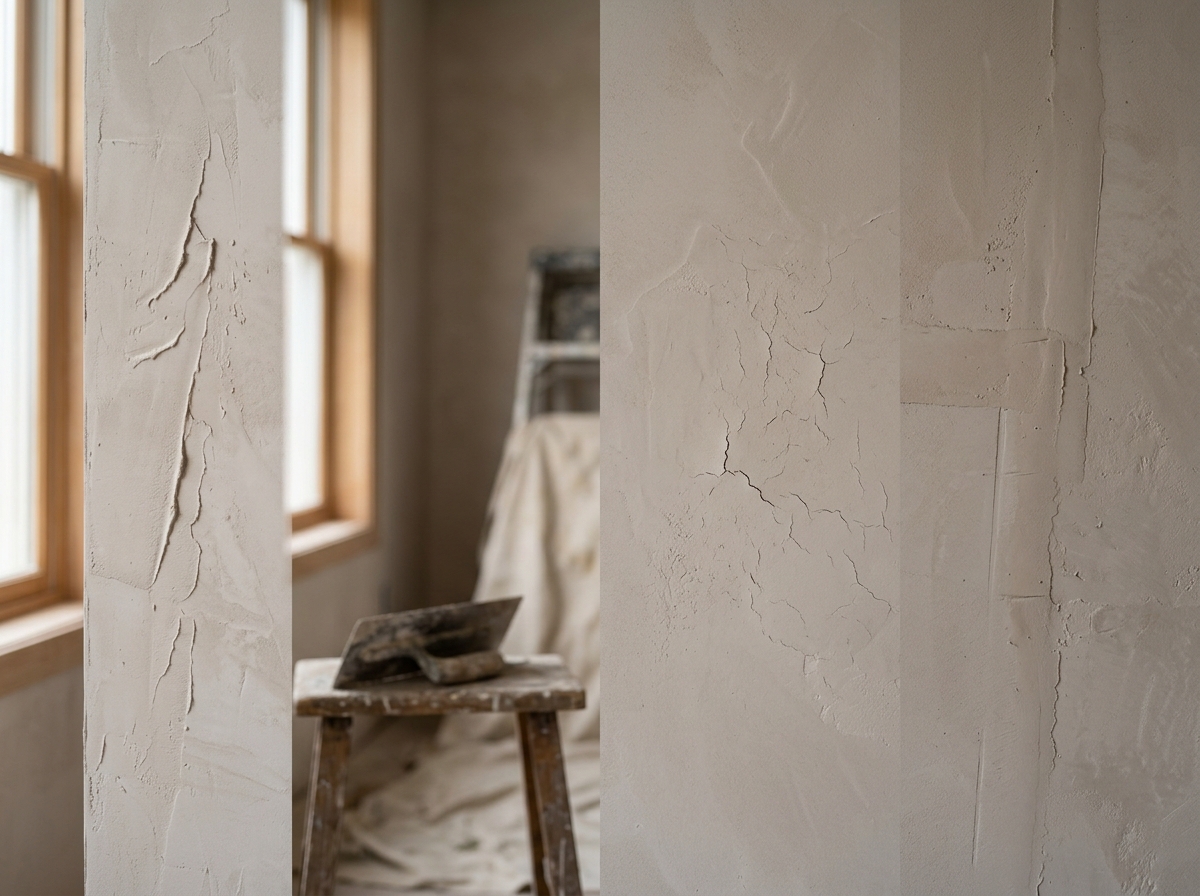
Venetian plaster is stunning when done right. That soft, luminous finish transforms a room into something elegant and sophisticated. But when it's done wrong, you're left with a streaky, uneven surface that looks more amateur than artisan. We've seen plenty of Venetian plaster applications go sideways in Redding homes, and most of the time, these mistakes are preventable. Whether you're considering DIY application or hiring a contractor, understanding where things commonly go wrong will save you thousands of dollars and months of frustration.
Skipping Proper Surface Preparation in Redding Homes
The biggest mistake we see is rushing through surface prep. Homeowners think they can slap Venetian plaster over existing paint, minor imperfections, or a dusty wall. That's a recipe for failure.
Venetian plaster needs a perfectly smooth, clean substrate. Any bumps, dust, old paint peeling, or drywall texture will telegraph through the finish. The plaster will sit on top of these imperfections rather than adhering properly, and you'll see every flaw magnified. In Redding's climate, where temperature fluctuations and low humidity can stress paint adhesion, a poor foundation makes things exponentially worse.
The correct approach involves thoroughly sanding the surface, filling any holes or cracks with quality joint compound, sanding again, and then priming with a high-quality primer. This process takes time, but it's non-negotiable. Cutting corners here means your Venetian plaster won't last, and touch-ups will be obvious and difficult.
Using the Wrong Type of Plaster or Low-Quality Materials
Not all Venetian plaster products are created equal, and this is where many DIY attempts fail. Some people buy the cheapest option at a big-box store, not realizing that quality matters enormously with this specialty finish.
Premium Venetian plaster has better pigment dispersion, finer particle size, and superior workability. Budget products often contain fillers and inferior binders that don't burnish smoothly, don't cure properly, or fade inconsistently. The color can also shift as the plaster dries, leaving you with an uneven appearance.
Additionally, some products marketed as "Venetian plaster" are actually just thick paint. Real Venetian plaster is a lime-based or acrylic-based product that's troweled on in thin layers and burnished. If you're not using authentic material, you won't get the authentic look. Professional contractors in Redding invest in proven brands because they know which products perform well in local conditions and deliver consistent results.
Applying Plaster in Incorrect Layer Thickness or Too Quickly
Venetian plaster is an art form that requires patience. The finish consists of multiple thin layers, each built up and burnished to create depth and luminosity. A common mistake is applying the plaster too thickly, thinking it will speed up the process.
Thick applications don't cure evenly, they're harder to burnish smoothly, and they're more prone to cracking. The entire aesthetic of Venetian plaster depends on those thin, translucent layers catching light differently. When applied correctly, each layer should be roughly 1-2 millimeters thick.
Another timing mistake is not allowing adequate drying time between coats. Some DIYers think they can speed things up by layering plaster before the previous coat has fully set. This causes the layers to merge unevenly, preventing proper burnishing and creating a muddy, inconsistent finish. Patience is essential. Depending on humidity and temperature in Redding, each coat needs adequate time to cure before the next application.
Inadequate or Improper Burnishing Technique
Once the plaster is applied, burnishing is what creates that signature polished, luminous appearance. This is where technical skill becomes critical, and it's a major reason many DIY attempts fall short.
Burnishing requires using a steel trowel at the correct angle and with consistent pressure to compress the plaster surface and seal it slightly. Done improperly, burnishing creates swirl marks, dull patches, or uneven sheen. The technique needs to be deliberate and methodical, covering the entire surface evenly without pressing so hard that you disturb the plaster or so lightly that you don't actually seal it.
Many homeowners underestimate how physically demanding and technically precise this step is. It's one thing to watch a video and another to execute it flawlessly across an entire wall. Inconsistent burnishing is one of the most visible mistakes you'll see in failed Venetian plaster applications.
Not Accounting for Redding's Climate and Environmental Factors
Redding's hot, dry climate with significant temperature swings between seasons creates specific challenges for Venetian plaster application. Many contractors from other regions don't account for these conditions, leading to problems.
Low humidity can cause plaster to dry too quickly, preventing proper curing and making it brittle. High temperatures accelerate drying unevenly, which can create color variations. Cold nights followed by hot days stress the plaster as it expands and contracts. Dust is also a concern in Redding, and airborne particles can settle on wet plaster, creating a gritty finish.
Professional applicators familiar with Redding conditions know to adjust application timing, humidity control, and curing protocols accordingly. They might mist walls lightly to slow drying, apply plaster during specific times of day, or adjust product ratios for local climate conditions. A contractor unfamiliar with the area may apply techniques that work fine in coastal California but fail in Redding's interior valley climate.
Hiring Contractors Without Proper Venetian Plaster Experience
This is perhaps the most costly mistake. Venetian plaster is a specialty finish that requires training and experience. Many general contractors or painters claim they can do it, but they lack the specific skill set required.
There's a significant difference between painting a wall and applying Venetian plaster. The tools are different, the techniques are different, and the troubleshooting is different. A painter skilled in standard Interior painting may produce disappointing results with Venetian plaster simply because it's outside their expertise. You end up paying for a service you're unhappy with and often can't easily fix without starting over.
Before hiring, ask for examples of completed Venetian plaster work, references from previous clients, and information about their training. A qualified contractor should be able to explain the process in detail, discuss how they'll handle Redding's climate, and provide realistic timelines.
Skipping Maintenance and Protective Measures
Once Venetian plaster is applied, many homeowners assume it's maintenance-free. It's not. Venetian plaster is durable but not indestructible, and the finish benefits from proper care.
The surface should be sealed with an appropriate topcoat to protect against moisture, staining, and wear. In high-traffic areas or kitchens and bathrooms, this is especially important. Skipping sealing means the plaster is vulnerable to water damage, dust accumulation, and staining.
Additionally, Venetian plaster can be cleaned, but not with harsh chemicals or abrasive methods. Using the wrong cleaning products can damage the finish. Homeowners who don't understand proper maintenance often inadvertently harm their plaster trying to clean it.
Venetian plaster is a beautiful, sophisticated finish that elevates any space. But it demands attention to detail at every stage, from surface prep through application to ongoing maintenance. The mistakes we've outlined here, from poor surface preparation to inadequate burnishing to hiring inexperienced contractors, account for the vast majority of failed Venetian plaster projects in Redding. If you're considering Venetian plaster for your home, invest in quality materials and experienced professionals who understand the process and your local climate. The initial investment in doing it right pays dividends in a stunning finish that lasts for years. If you'd like to explore Venetian plaster for your Redding home or discuss other faux finishes we offer, contact American Home Painting for a consultation with our specialty finish experts.