
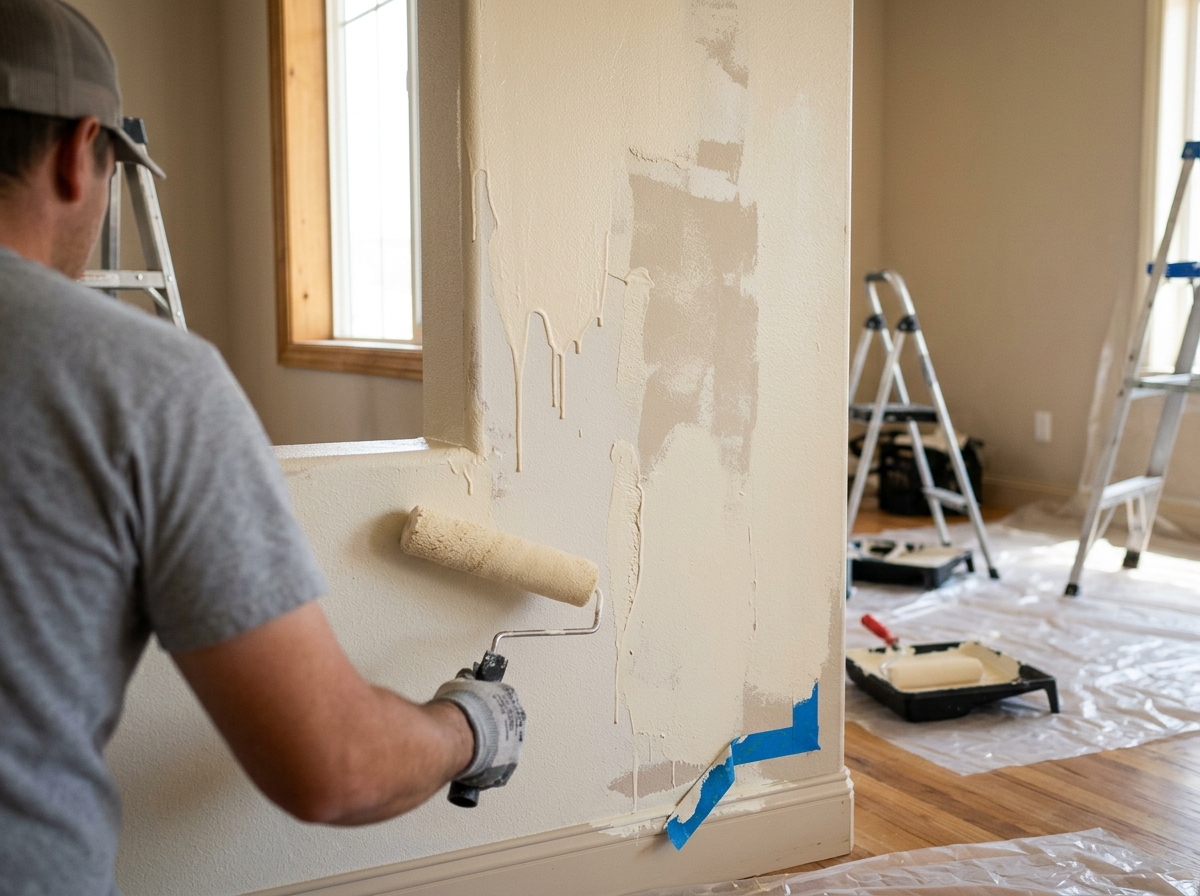
Common Interior painting Mistakes Homeowners Make in Redding
Interior painting seems straightforward until you're halfway through your first wall and realize the finish looks nothing like you imagined. Whether it's uneven coverage, color regret, or damage to your walls and trim, Interior painting mistakes can cost thousands to fix. In Redding, many homeowners attempt DIY Interior painting projects or hire unprepared contractors, only to end up with results that need expensive correction work. We've seen the same preventable errors repeatedly. This guide covers the most common Interior painting mistakes we encounter and how to avoid them. Understanding these pitfalls before you pick up a brush, or before you hire a painter, will save you money, time, and frustration.
Skipping Proper Surface Preparation
The number one Interior painting mistake is insufficient wall preparation. Homeowners and inexperienced painters often rush through this critical step because it feels tedious compared to the actual painting.
Proper preparation means washing walls to remove dust and grime, filling holes and cracks with quality spackling compound, sanding rough areas smooth, and protecting fixtures and flooring. When these steps are skipped, paint adheres poorly, color appears uneven, and the finish won't last. Paint applied over dust or dirt will bubble and peel within months.
In Redding's dry climate, dust accumulation on interior walls is particularly problematic. Homes collect fine particles on horizontal surfaces and wall tops. A thorough cleaning with a damp cloth before painting prevents these particles from becoming embedded in your fresh coat.
Choosing the Wrong Paint Quality or Type
Budget paint from a hardware store might seem like a money-saver, but it often requires three coats instead of two, contains fewer solids, and won't stand up to regular cleaning or moisture. In bathrooms and kitchens, low-quality paint fails faster and shows wear patterns more obviously.
Another common mistake is using flat paint everywhere. Flat finishes hide imperfections well but don't hold up in high-traffic areas or rooms prone to moisture. Bedrooms and living rooms can use flat or matte, but kitchens, bathrooms, hallways, and children's rooms need satin or semi-gloss finishes that withstand cleaning and humidity.
Selecting the right paint type requires understanding your room's function and environmental conditions. A professional color consultation service helps identify both the right color and the appropriate finish for each space.
Ignoring Color Testing and Lighting Conditions
Paint samples on tiny cards in store lighting look completely different on your actual walls under your home's natural and artificial light. Purchasing five gallons of paint based on a small swatch is a recipe for disappointment.
Redding's intense sunlight creates unique lighting conditions. A color that looks perfect at noon might appear too warm or too cool in evening light. North-facing rooms receive different light than south-facing rooms. A professional painter tests colors by painting large sample patches and observing them throughout the day.
Many homeowners have experienced buying an expensive gallon of paint, painting a wall, living with it for a week, and realizing it's wrong. That's not just wasted paint, it's wasted labor. Testing prevents this costly mistake entirely.
Hiring Painters Without Proper Insurance and Licensing
This mistake creates liability exposure that most homeowners don't consider until something goes wrong. An uninsured painter who damages your walls, furniture, or causes injury leaves you financially responsible. In California, painting contractors should carry liability insurance and workers' compensation coverage.
Unlicensed painters may do adequate work initially, but you have no recourse if problems emerge after they've left. Professional painters in Redding maintain proper licensing and insurance specifically to protect homeowners and themselves.
Verify credentials before hiring. Request proof of insurance and ask about licensing. Established companies like American Home Painting maintain full compliance with California contractor regulations.
Neglecting Trim, Baseboards, and Ceiling Preparation
Many DIY painters focus entirely on walls and treat trim as an afterthought. Baseboards, crown molding, door frames, and ceilings require the same preparation as walls, often more because they collect dust and may have old paint buildup.
Ceilings present particular challenges. Painting overhead is physically demanding, and mistakes are obvious. Ceiling paint should be slightly thicker and formulated for overhead application. Using wall paint on ceilings often results in drips and poor coverage.
Trim requires precise edging and often needs different paint than walls. Semi-gloss or high-gloss finishes on trim create visual contrast and durability, but they demand careful application. Brush marks show more obviously on glossy surfaces than on flat walls.
Attempting Complex Finishes Without Experience
Decorative finishes like faux finishes, graining and marbling applications, or Venetian plaster applications require specialized training and experience. DIY attempts at these techniques frequently result in amateur-looking results that are difficult to correct.
A homeowner might spend weeks applying a faux finish technique they learned from a video, only to realize it looks nothing like professional work. These specialty finishes demand understanding of tools, timing, color theory, and technique that takes years to develop.
If you want a textured or decorative interior finish in your Redding home, hire professionals who specialize in these applications rather than experimenting yourself.
Failing to Protect Furnishings and Plan for Drying Time
Interior painting creates dust and requires adequate ventilation. Failing to properly cover furniture, electronics, and flooring results in paint splatter and dust settling on everything. Even with drop cloths, some particles escape.
Additionally, fresh paint needs proper drying conditions. Painting in humid conditions or without adequate air circulation causes slow drying, dust settling, and poor finish quality. Opening windows in Redding's low-humidity climate actually helps paint dry properly, but you need to plan for this.
Many homeowners rush back into painted rooms before paint has fully cured, damaging the finish. Quality interior paint typically needs 24 to 48 hours before normal use, and longer before washing walls or moving furniture back.
Interior painting mistakes range from simple oversights to expensive misjudgments. Proper surface preparation, choosing quality materials, testing colors in your actual lighting, hiring licensed professionals, and understanding the specific requirements of each room separate successful projects from disappointing ones. If you're planning an Interior painting project in Redding, avoid these common mistakes by working with experienced professionals. American Home Painting provides Interior painting services that include proper preparation, Color consultation, and expert application. Whether you're updating a single room or refreshing your entire home's interior, we help you avoid these preventable errors and achieve results you'll enjoy for years.