
Common Mistakes People Make with Faux finishes in Redding
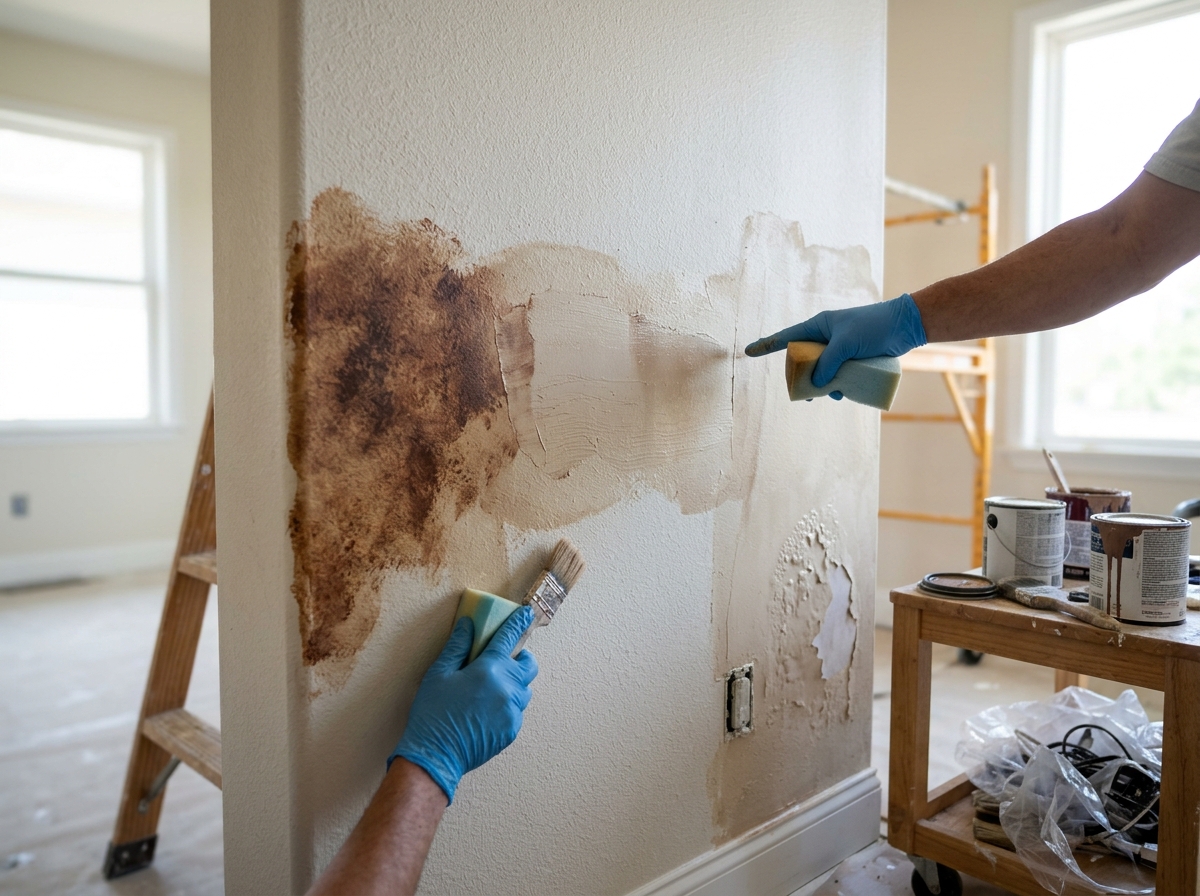
Faux finishes can completely transform a room. That textured Tuscan wall, the elegant marbled accent, or the sophisticated venetian plaster effect you've been imagining can genuinely elevate your home's interior. But Faux finishes are also one of the easiest decorative techniques to botch, especially when homeowners attempt the work themselves or hire inexperienced contractors. In Redding, we've seen plenty of faux finish projects that didn't live up to expectations. Some look patchy and amateur. Others begin peeling or cracking within months. A few have required complete removal and repainting, turning an affordable upgrade into an expensive lesson. The good news is that most of these problems are preventable if you understand what goes wrong and how to avoid it.
Underestimating Preparation in Faux finishes Work
The biggest mistake we encounter isn't actually about the finish itself. It's what happens before the finish ever touches the wall.
Too many DIY enthusiasts and even some inexperienced painters rush straight to applying the decorative layer. They assume the wall just needs a quick wipe-down and maybe a coat of primer. In reality, Faux finishes are unforgiving. Every imperfection in the base layer becomes magnified when you apply glaze, texture, or marbling techniques over it.
The Redding climate, with its temperature fluctuations between seasons, makes proper surface preparation even more critical. Walls need to be cleaned of dust and mildew, patched properly where damage exists, sanded smooth, and primed with a quality primer suited to your specific finish type. This process typically takes as long as the actual faux finish application. Skip it, and you'll end up with a finish that looks flat, uneven, or worse, starts failing within a year.
Choosing the Wrong Base Paint and Primer Combination
Not all primers work equally well with Faux finishes. This is where technical knowledge really matters.
Some homeowners grab whatever primer is on sale at the big box store and assume it'll work fine. The reality is that Faux finishes require primers that create the right surface profile and adhesion for the glaze or specialty coatings you'll apply on top. Using a standard latex primer under an oil-based glaze, for example, creates adhesion problems. The finish won't stick properly, and it'll chip or peel prematurely.
The specific paint type matters too. Faux finishes typically require either a quality acrylic latex system or an oil-based system, depending on the effect you're after. Venetian plaster applications need different base preparation than graining and marbling. A professional painter in Redding will assess your walls, the humidity levels in your space, and your desired finish to recommend the correct primer and paint combination. Getting this wrong is an expensive mistake that's hard to fix without stripping everything back to bare wall.
Attempting Complex Techniques Without Proper Training
Faux finishes look deceptively simple when you watch a YouTube tutorial. The techniques seem straightforward: apply glaze, use a sponge or rag, create texture. What the videos don't show is the years of practice required to make it look intentional and professional rather than accidental and sloppy.
Venetian plaster applications are particularly technique-sensitive. The angle of your trowel, the pressure you apply, the direction of your strokes, and the timing between coats all affect the final appearance. A mistake in technique can result in a finish that looks muddy, one-dimensional, or simply wrong. Graining and marbling applications demand even more skill. You're essentially painting a convincing illusion of a natural material, which requires understanding how wood grain actually flows or how marble veining patterns work.
In Redding, we've had several customers hire out-of-state contractors or amateur painters who charged cut-rate prices for Faux finishes. The results were often disappointing enough that homeowners ended up paying us to redo the work. That's expensive second-guessing.
Ignoring Room Lighting and Color Interaction
Faux finishes don't exist in a vacuum. They interact dramatically with the lighting in your space and the colors in your room.
Many people choose their faux finish color and style based on inspiration photos or small samples, then are shocked when the finish looks completely different in their actual room. Natural light in Redding varies throughout the day and seasons. A finish that looks rich and dimensional in morning light might appear flat and dull in afternoon sun. Artificial lighting can shift the perceived color and depth even more dramatically.
Texture finishes also interact with room lighting in ways that flat paint never does. Shadows and highlights created by the texture can make a room feel smaller or larger depending on how pronounced the texture is and how light plays across it. Choosing a faux finish without considering your room's specific light conditions and how it coordinates with your furniture, flooring, and architectural features often leads to regret.
Neglecting Maintenance After Installation
This mistake catches many homeowners by surprise. They think once the faux finish is applied, the work is done. In reality, certain Faux finishes require specific maintenance to look their best and last longer.
Venetian plaster, for example, sometimes needs light burnishing or sealing depending on the specific product used and the room's humidity levels. Lime painting effects require different cleaning approaches than standard paint. Neglecting this maintenance means your beautiful finish deteriorates faster than it should, developing dull spots, marks, or wear patterns that make it look cheap and tired.
Redding's dry climate and occasional dust storms mean exterior finishes face particular challenges. If you've invested in decorative exterior finishes, understanding how to protect and maintain them becomes essential.
Hiring Contractors Without Faux Finish Expertise
Not all painters are created equal when it comes to specialty finishes. A contractor experienced in Interior painting and Exterior painting may have minimal experience with Faux finishes, Venetian plaster applications, or graining and marbling work.
Many painters in Redding can handle standard drywall finishing and basic paint application well. But Faux finishes demand specific training and experience. Hiring a general painter for decorative finish work is like hiring a general contractor to do electrical work. They might attempt it, but the results likely won't meet professional standards.
Before hiring anyone, ask for portfolio photos of previous faux finish projects. Request references from customers who had similar work done. Verify that the painter has specific experience with the exact finish type you want, whether that's venetian plaster, Lime painting effects, or marbling applications.
Using Low-Quality Materials to Save Money
Budget-conscious homeowners sometimes skimp on materials, thinking premium paint and specialty coatings are unnecessary for Faux finishes. This almost always backfires.
Lower-quality glazes and finishes don't flow as smoothly, don't blend as easily, and don't maintain their appearance as long. They're also harder to work with, which means even a skilled painter will have a tougher time achieving the desired effect. You end up with a subpar finish that needs redoing sooner, which costs far more than buying quality materials from the start.
Faux finishes can add genuine character and sophistication to your Redding home when they're done right. The key is avoiding these common mistakes by investing in proper preparation, choosing experienced professionals, and maintaining your finish appropriately after installation. If you're considering Faux finishes for your home, American Home Painting brings years of expertise in Venetian plaster applications, Graining and marbling applications, and other specialty finishes. We handle everything from Color consultation through final installation, ensuring your decorative finishes look professional and last for years. Contact us to discuss your project and avoid the costly mistakes many homeowners face.